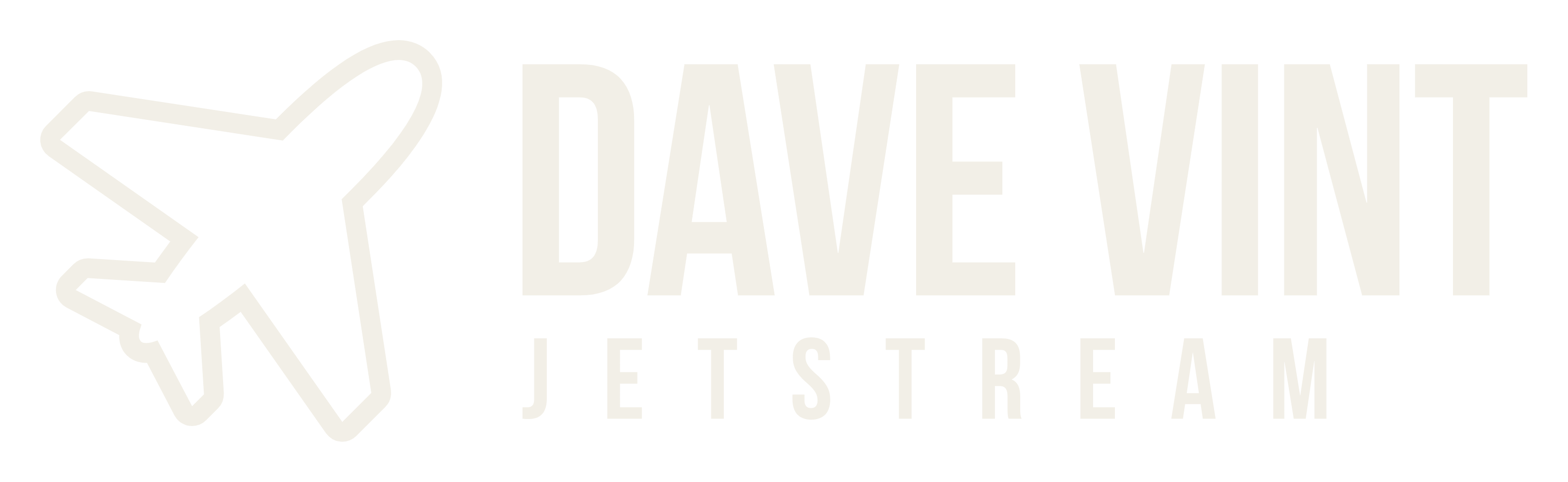
In Montessori schools, they call play "work", and it has everything to do with attaining flow state.
My toddler enters flow state almost every day, and I'm just now figuring it out.
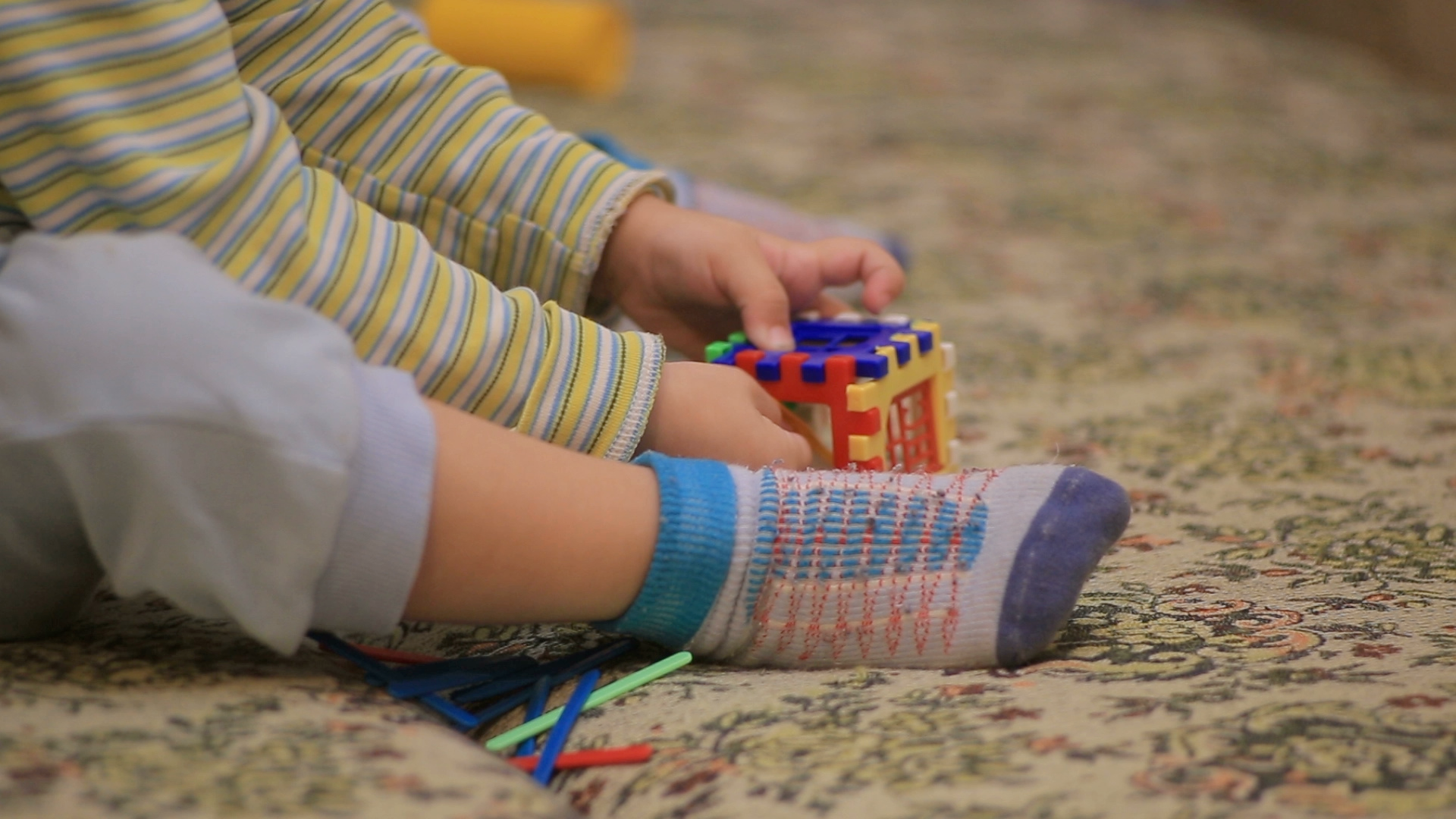
With years of infertility and waiting for our son to join us in this world, we had a lot of time to think about how we'd do things. Education was no exception. When it came time for Jack to start daycare, we were set on a Montessori school. After decades of observing how children naturally learn, Dr. Montessori developed an approach now well documented to foster higher-than-average concentration, attention, and spontaneous self-discipline.
They have many unique components in their approach, but one of them is that they always call play "work".
I'll always allow for confirmation bias in what I'm about to say, but it's incredible to watch our barely-walking son sit down with two objects and explore them uninterrupted for more than five minutes at a time. That kind of focus is exactly what self-guided learning and child agency are meant to cultivate.
Montessori's view was that "play is the work of a child." Play has value and purpose. It demands focus, and it produces something that carries meaning across the whole of a child's life. As Neville Scarfe put it, "all play is associated with intense thought activity and rapid intellectual growth."
As professionals, we talk constantly about work/life balance. We throw around "work to live vs. live to work" and try to keep work in its proper place. Because we have to provide for ourselves and our families, we exchange our work for compensation, then find ways to recharge and return to it, and on it goes. That's just life. To soften the grind, a lot of people live by "do what you love and you'll never work a day in your life." I agree — and it's a big part of the Jetstream model. But in Jetstream it works at a far more granular level than a career or a job title. It's about the individual moments and tasks, not the whole body of work.
What strikes me about Montessori's approach is that to puzzle, explore, tinker, and fully invest yourself in the task in front of you is treated as something to protect and cherish — even when no money changes hands. That, in itself, is work. The currency is life experience, enjoyment, and growth as a human being.
I recently finished
Flow by Mihaly Csikszentmihalyi. I really recommend it. He studied hundreds of people and documented what it takes to enter a flow state: full immersion in an activity, losing track of time and self-awareness, feeling energized and focused. Musicians find it at peak performance, athletes at their best, surgeons in meticulous work, and ordinary people in the most satisfying parts of their day. Time bends, and there's a deep contentedness and presence. Whether it happens at work or at leisure, it requires:
- A balance of skill and challenge. Hard enough to engage you, not so hard it frustrates you — slightly above your current level.
- Clear goals and immediate feedback. You know what you're doing and can see your progress.
- Intense concentration. Distractions fall away.
- A sense of control. You feel real agency over your actions.
- Loss of self-consciousness. Worry and self-awareness disappear as you become one with the activity.
- An altered sense of time. It speeds up or slows down.
I realized this week that when my son commits himself to understanding two objects and gets to "work," he's naturally entering that flow state. You can see the satisfaction on his face. In his own way, he already has meaning and full self-development.
Once I connected those ideas, I started assessing how often I let myself enter flow outside of work — and how often I allowed it at work. One of my Harvard leadership professors was insistent: "Work/life balance is a myth. It's work/life integration." Here's what connected the dots the rest of the way: if work really means a state of concentration, challenge, clear goals, and feedback, then it isn't only what I do with Excel open in a board meeting. It's also what I do in leisure that's restorative, creative, and life-giving. It might be the very thread that makes work/life integration possible — deepening my enjoyment of life and extending my capacity to be fully present for the people who matter most.
Coaching Questions
- When at work do I lose track of time and feel completely in the moment?
- When outside of work do I lose track of time and feel fully content?
- Is there a common thread between the two?
- Am I okay with being fully content at work? Is that something I want to work on?
- Can I acknowledge exploration, puzzles, and problems outside of work as great uses of time — even when they don't move a business forward or produce a practical outcome?
- What play (or work) do I want to block time for over the next week?